
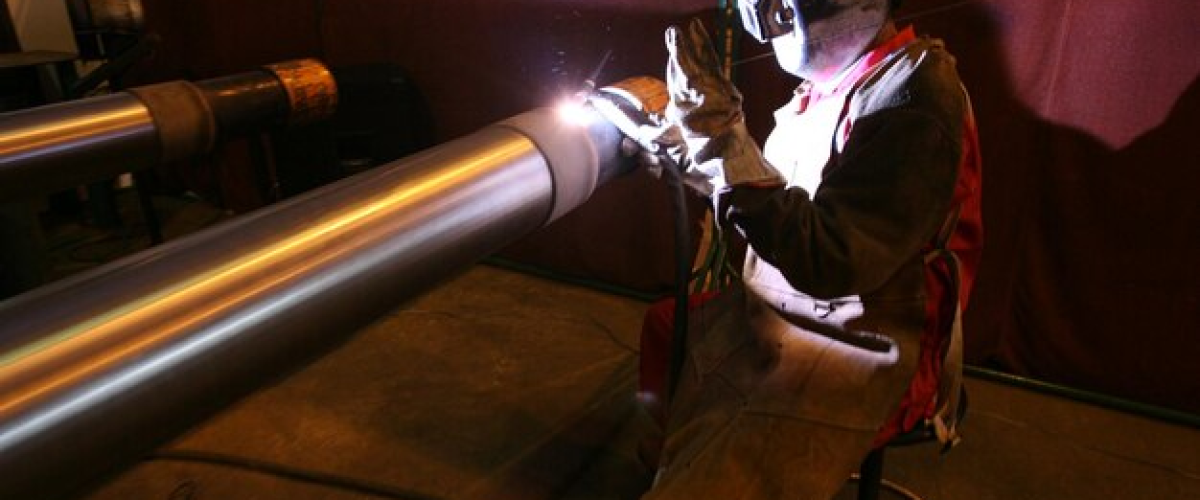
Understanding the Brazing Process
Brazing is a precise process where two metals are joined using a filler metal at temperatures above 450°C. Unlike welding, it doesn’t melt the base metals, which helps maintain their original strength and properties. In copper and steel brazing, maintaining a controlled atmosphere—like hydrogen or ammonia—is critical to prevent oxidation and ensure a strong, clean bond.
At Datyak Sintered LLP, we use advanced continuous belt-type furnaces to create a perfect brazing environment. This controlled heating ensures uniform temperature distribution, which improves bonding strength, reduces joint porosity, and enhances the overall reliability of the component.
Why Controlled Atmosphere Matters
A controlled atmosphere using hydrogen and ammonia gases reduces oxidation and contamination, ensuring a cleaner joint. This also improves the flow of filler metal, creating a stronger and more durable bond.
Our state-of-the-art furnace setup allows us to achieve this precision consistently. By maintaining the right gas ratio, we ensure that every component comes out flawless—meeting OEM standards and ensuring long-term performance in refrigeration and air-conditioning systems.